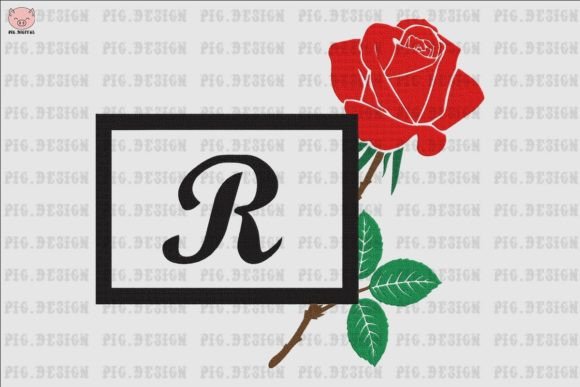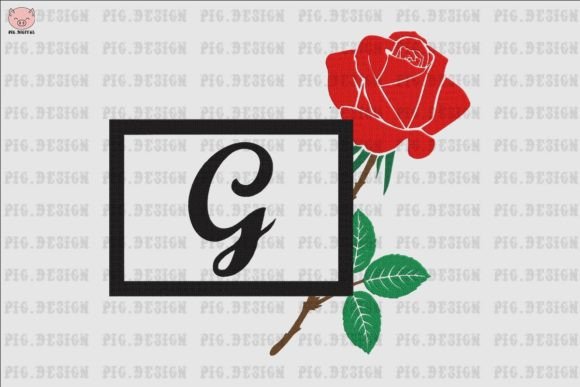
Rose Font G Review for Business Embroidery Projects
When you run a small business, every stitch on your merchandise carries your brand identity. I have spent years testing machine embroidery design files for cafes, boutiques, handmade shops, and local service brands, so I know exactly what works under the needle and what unravels under pressure. Rose Font G arrived in my digital embroidery file library recently, and I put it through a full design review for small business merch and branded patch use. Here is my honest assessment from an experienced embroidery designer who has seen too many fonts fail on caps, aprons, and tote bags.
First Impressions: The Personality of Rose Font G
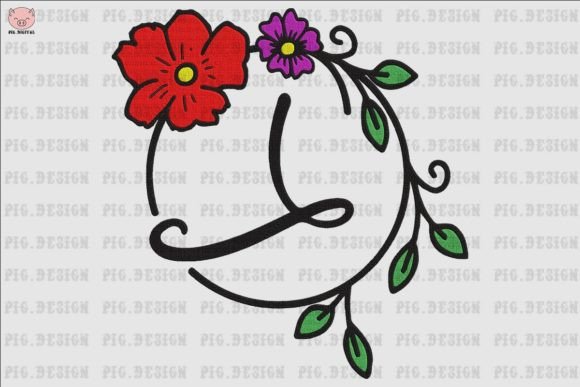
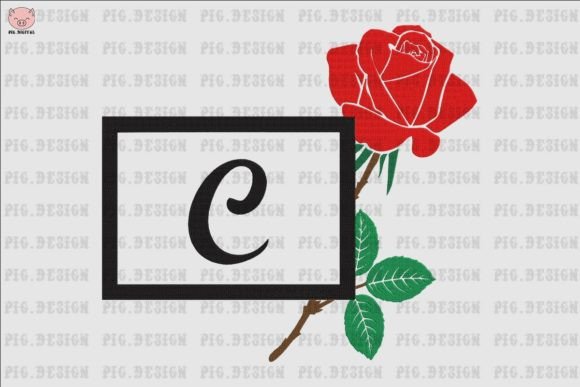
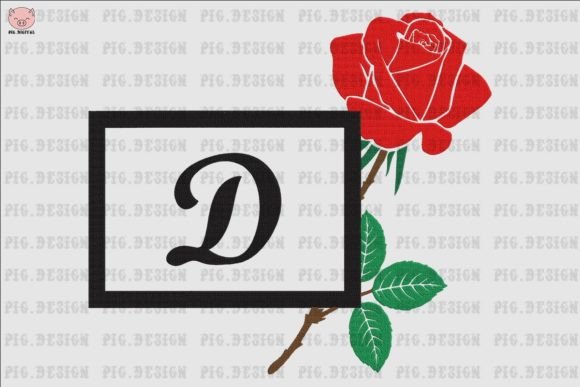
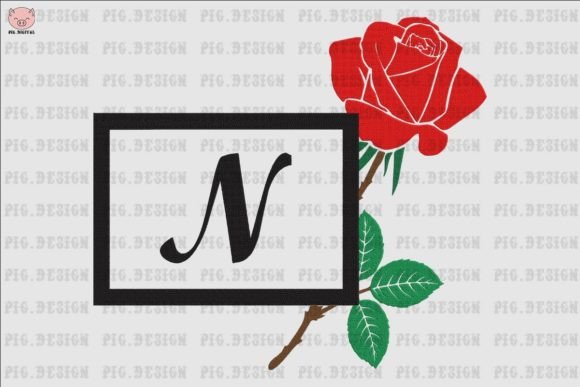
Rose Font G presents as a friendly, slightly handcrafted letterform with a decorative flourish that feels personal without being fussy. It sits in a sweet spot between playful and polished, making it suitable for a wide range of commercial embroidery projects. The name itself suggests a floral sensibility, but the letterform remains legible and structured enough for professional use. When I reviewed the design for a hypothetical cafe logo or a boutique tote bag, I immediately saw how it could convey warmth and approachability without sacrificing the clean lines customers expect from a finished product.
This is not a stiff corporate font. It has character that works beautifully for brands that want to feel handmade, local, and community-oriented. A florist, bakery, pet brand, or creative studio could use Rose Font G to signal that their merchandise is crafted with care. The decorative quality also makes it a natural fit for Back To School embroidery projects, where parents and students look for personalized items that stand out without screaming. The embroidery category here is clearly decorative lettering, and Rose Font G delivers a visual personality that says "we put thought into this."
Real-World Performance: How Rose Font G Holds Up on Branded Merch
I tested Rose Font G conceptually across several common small business applications: embroidered patches for staff uniforms, chest logo accents on aprons, sleeve lettering for cafe work shirts, cap embroidery, tote bag designs, and product packaging labels. In every scenario, the key variables were stitch density, thread color contrast, and fabric texture.
For embroidered patches, the font's moderate stroke weight allows it to stitch cleanly at a reasonable patch size. I would recommend testing it at a minimum width of about two inches to preserve the decorative details without crowding the stitches. On aprons and tote bags, the design reads well from a conversational distance, which is critical for staff uniforms and retail merchandise. Customers should be able to identify your brand at a glance, and Rose Font G holds up in that regard.
For cap embroidery, I advise caution. Curved surfaces and small crown areas can distort decorative lettering if the design is not properly digitized for the curve. You need to confirm that your embroidery file includes proper compensation for the cap's shape. If you are considering Rose Font G for a cap front, request a curved mockup from your digitizer before cutting stabilizer.
On darker uniforms and heavily textured fabrics like fleece or thick canvas, the decorative elements of Rose Font G may need adjustment. I always recommend testing on a swatch of your actual garment fabric before committing to production. The machine embroidery design comes with multiple embroidery options, which is a strong advantage for businesses that need versatility across different product lines.
Where to Use Rose Font G with Care
No font works everywhere, and Rose Font G has specific limitations that every embroidery designer and small business owner should consider before hitting "digitize."
- Small patch sizes: If you plan to use Rose Font G on a patch smaller than 1.5 inches, the decorative details may become muddled. Test the file at your intended size with a quick stitch-out before ordering bulk production.
- Cap fronts: As mentioned, curved surfaces challenge any decorative font. Request a cap-specific digitized version if your digitizer offers that service.
- Tiny lettering for product labels: For packaging accents or tiny brand marks on finished products, Rose Font G may be too detailed. Consider a simpler companion font for very small applications.
- High stitch density areas: Decorative flourishes can increase stitch count significantly. If your design includes heavy fill areas, check the stitch density to avoid puckering on lightweight fabrics like t-shirts or blouses.
- Frequent washing: Items like staff aprons, work shirts, and tote bags endure repeated laundering. Dense decorative stitching can shrink or distort over time if the stabilizer and thread tension are not carefully balanced. Use a high-quality cutaway stabilizer for garments that will see heavy wash cycles.
If you are producing merchandise for a small business that plans to sell these items, you must also confirm the commercial embroidery license for Rose Font G. The product description states it comes with multiple embroidery options, but you need to verify whether commercial use is allowed. Never assume a digital embroidery file includes commercial rights. Check the license terms before stitching anything you intend to sell.
Brand Identity Impact: What Rose Font G Communicates to Your Customers
Typography is a silent salesperson. Every time a customer sees your embroidered logo on a tote bag, a cap, or a staff apron, they absorb a message about your brand identity. Rose Font G communicates that your business values craftsmanship, personal attention, and a warm aesthetic. It is not the font you choose for a high-tech startup or a law firm. But for a cafe, a boutique, a handmade soap brand, a florist, a bakery, or a pet boutique, it builds trust by looking approachable and intentional.
Small business merch depends on visual consistency. If your logo, website, packaging, and embroidered items all share a cohesive letterform, customers perceive professionalism and reliability. Rose Font G can anchor that consistency if it aligns with your existing brand identity. For Etsy sellers and handmade product designers, this font offers a way to elevate your merchandise without losing the handmade feel that your buyers value.
When I review design assets for client approval, I always emphasize that embroidery is a permanent statement. Unlike a printed label that can be removed, an embroidered patch or chest logo is part of the garment for its entire life. Rose Font G makes a friendly, memorable statement that invites repeat business and word-of-mouth referrals. That is the kind of brand identity every small business owner wants.
Practical Embroidery Designer Notes Before You Digitize
Before you send Rose Font G to your machine, here is the checklist I use for every commercial embroidery project. These steps save thread, fabric, and frustration.
- Test in black and white first. Print a full-size paper template of the design and place it on your garment or patch blank. This reveals scale and spacing issues before you invest in a stitch-out.
- Check if it works at small patch size. If you need a 2-inch patch, stitch one sample before ordering 100. Measure the legibility from three feet away. If you cannot read it clearly, enlarge the design or choose a simpler font.
- Review thread color contrast. Rose Font G will pop best on fabrics that contrast with your chosen thread. Light thread on dark fabric or dark thread on light fabric is the safest choice. Avoid low-contrast combinations like pastel thread on white fabric for small lettering.
- Inspect spacing. Decorative fonts can sometimes have uneven kerning when digitized. Ask your digitizer to confirm that letter spacing is visually balanced, not just mathematically even.
- Confirm hoop size. The design must fit your hoop with room for stabilizer and fabric handling. If you are using a multi-needle machine, verify the design fits within your standard hooping area.
- Test on real fabric. Every fabric type behaves differently. Stretch fabric, denim, cotton twill, fleece, and performance wear all require different stabilizer choices and tension settings. Do not skip this step.
- Use proper stabilizer. For most apparel and tote bag applications, a cutaway stabilizer provides the stability that decorative lettering needs. Tearaway stabilizer may work for patches with dense backing, but cutaway is safer for washable items.
- Create a mockup for client approval. If you are producing merchandise for a customer, show them a digital mockup before stitching. Printable mockups save everyone time and prevent costly revisions.
- Compare it beside other design assets. Lay your embroidered sample next to your business cards, signage, and digital logo. Consistency across all brand touchpoints builds recognition and trust.
- Confirm commercial licensing before business use. This is non-negotiable. If the license restricts commercial use, you cannot use Rose Font G on merchandise you sell. Check the terms before you digitize.
These steps are not optional for serious embroidery businesses. They are the difference between a professional finished product and a disappointing sample pile.
Final Verdict for Small Business Merch and Patches
Rose Font G is a strong candidate for small business merchandise, embroidered patches, staff uniforms, tote bag designs, apron embroidery, and cap embroidery when used thoughtfully. Its friendly, handcrafted personality suits cafes, boutiques, florists, bakeries, pet brands, creative studios, and handmade product businesses that want to project warmth and care. The decorative details add value without overwhelming the letterform, and the multiple embroidery options give you flexibility across different product lines.
I would caution against using it for very small applications, heavily textured fabrics, or curved surfaces without proper testing and digitizing adjustments. The font's charm lies in its detail, and those details need enough real estate to breathe. For Back To School projects, it offers a personalized look that parents and students appreciate. For ongoing commercial embroidery, it can become a signature element of your brand identity if you invest in proper setup and quality control.
As with any machine embroidery design, the final result depends on your digitizer's skill, your fabric choice, your thread selection, and your stabilizer technique. Rose Font G gives you a solid foundation. Build your production process around it, and your small business merch will look intentional, professional, and uniquely yours.