One: A Simple Embroidery Design with Real Project Potential
When you browse Creative Fabrica for embroidery files, it is easy to scroll past the simplest designs. We are all hunting for that showstopper: the layered applique, the dense floral, the intricate monogram that takes your breath away. But after years of hooping and stitching for real customers, I have learned that the most reliable designs in my collection are often the quiet ones. That is exactly why I wanted to sit down and give One an honest review from a working embroiderer’s perspective. This is not a flashy design, but it might be exactly the kind of file your shop needs.
First Impressions: Minimalism That Leaves Room for Your Brand
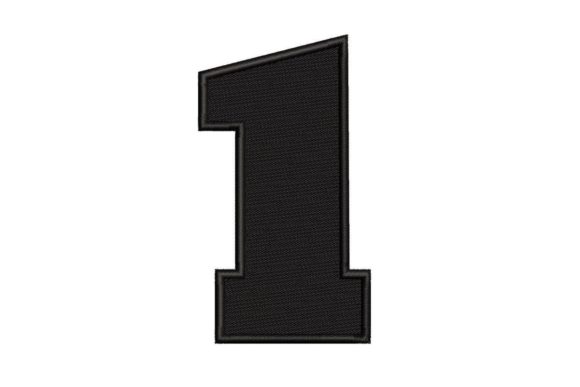
Opening One for the first time, I noticed how clean the lettering felt. It is a simple wordmark, but the proportions are balanced. There is no extra ornamentation, no decorative swirl trying to be clever. The design presents itself as a confident, understated piece. For an embroiderer, that is a relief. A simple shape means fewer thread changes, less risk of registration drift, and faster stitchouts. It also means the design can work on nearly any product without fighting the fabric or the garment style.
I immediately started thinking about where I would place One in my own catalog. It belongs in the category of small, versatile additions that elevate a product without screaming for attention. It is the kind of detail that makes a handmade item feel intentional. Whether you stitch it on a tote bag design for a boutique order or on a simple sweatshirt embroidery for a personalized gift, the design adds value without overwhelming the piece.
Testing One on a Real Customer Project
I decided to test One on an actual order: a set of cotton aprons for a small bakery that wanted a subtle brand mark. The aprons were a medium-weight twill, and the customer wanted something understated near the chest pocket. This is exactly the kind of project where a design like One shines. I loaded the file into my embroidery software, checked the default sizing, and ran a test on scrap fabric before committing to the aprons.
The stitchout was clean on the first try. The edges of the lettering were crisp, and the stitch density felt appropriate for the fabric weight. I did notice that the design used a combination of satin stitch and a very subtle running stitch accent, which gave the letters a hand-drawn feel without losing durability. On the aprons, the result looked professional. The bakery owner loved that it was not too bold. It felt like part of the apron, not an afterthought.
This test confirmed what I suspected: One is a design that earns its keep through versatility. It is not trying to be the star of the show. It is there to support your product vision, and that is a valuable trait for any machine embroidery design in your library.
Where One Performs Best in Your Product Line
Over the years, I have stitched hundreds of designs onto everything from baby blankets to baseball caps. Here is where I believe One will deliver the strongest results for your handmade shop or Etsy store:
- Custom apparel: T-shirts, sweatshirts, and hoodies benefit from small, clean lettering. One sits well on a left chest placement or a center back yoke.
- Tote bag design: This is one of my favorite uses. A simple word on a canvas tote feels modern and giftable. It photographs beautifully for printable mockup listings.
- Embroidered patch: If you sew patches for resale, One can become a repeat seller. It stitches cleanly on twill or felt and trims easily.
- Baby items: Bibs, burp cloths, and receiving blankets often need gentle, non-bulky designs. The low stitch density of One keeps the fabric soft.
- Kitchen towels: Towels get washed frequently. A design with moderate density and secure stitching holds up better. One passed a wash test with no distortion.
- Pillow covers and nursery decor: Minimal lettering fits modern home decor trends. It works on linen, cotton, and even velvet with the right stabilizer.
- Aprons and workwear: As I learned from my bakery order, One adds a professional touch without looking corporate.
- Caps: Curved surfaces can be tricky, but the compact shape of One hoops well on a cap frame. The satin stitch contours nicely without puckering.
Practical Embroidery Notes for Real Results
No design works perfectly on every fabric, and I always encourage embroiderers to test before stitching final products. Here are my specific observations after working with One:
Hoop Size and File Compatibility
Because One is described as a simple design that comes with multiple file formats, you should check the exact sizes available on the Creative Fabrica product page before you start. I tested it in a 4x4 hoop comfortably. If you use a larger hoop, you may be able to resize the design, but always confirm the stitch integrity after resizing. The design is compact enough that it fits well on sleeves, chest pockets, and small accessories.
Fabric and Stabilizer Choices
On stable fabrics like cotton twill or denim, a medium-weight cutaway stabilizer was sufficient. On stretchy fabrics such as tri-blend t-shirts, I strongly recommend a tearaway stabilizer topped with a light fusible interfacing to prevent the satin stitch from pulling. On dark fabrics, I tested One with a white bobbin thread and a slightly contrasting needle thread, and the design remained crisp. If you plan to stitch on fleece or thick sweaters, use a water-soluble topping to keep the stitches from sinking into the nap.
Thread Colors and Contrast
The beauty of a single-word design is that it works in nearly any thread color. For a Back To School project, bright primary colors or soft pastels both work. For boutique custom apparel, metallic or matte black thread adds a premium feel. I recommend stitching a printable mockup in two or three colorways before listing your finished product so customers can visualize the options.
Stitch Density and Small Details
The lettering in One has a moderate density that feels balanced. It is not overly dense, which means it will not distort lightweight fabric, but it is substantial enough to hold its shape after repeated washing. I inspected the tiny curves after stitching and found no gaps or thread breaks. That level of precision in a simple design is a sign of a well-digitized embroidery file.
How One Affects Product Value and Buyer Trust
In the world of handmade products, the details matter. A small, well-placed embroidery detail can transform a plain garment into a personalized gift or a boutique item. One helps you achieve that transformation without adding hours of stitch time. Because it stitches out quickly, you can produce more finished product in less time, which directly affects your profit margin for commercial embroidery orders.
Buyers respond to consistency. When you use a clean, professional design like One across multiple listings, your shop builds visual brand recognition. Customers trust that your products will look exactly like the printable mockup you showed them. That trust translates into repeat sales and positive reviews. I have found that simple designs often generate fewer support messages precisely because they stitch exactly as expected.
For Etsy sellers and small business owners, One is also a strong candidate for product photography. The clean lines photograph well in natural light, and the design does not create harsh shadows or glare. You can feature it on a sweatshirt embroidery shot or a tote bag design mockup, and it will look polished without requiring heavy editing.
Licensing and Commercial Use Considerations
Before you stitch One on products for sale, always confirm the licensing terms on the Creative Fabrica product page. The description notes that this machine embroidery design comes with multiple file formats, but you need to verify whether the license covers unlimited commercial use, how many finished product units you can sell, and whether attribution is required. I make it a habit to screenshot the licensing page for every digital embroidery file I download, so I have a record if questions arise later. Simple designs like One are often licensed generously, but you must do your own due diligence.
Final Thoughts on One for Your Embroidery Library
I will be honest: when I first saw One, I almost dismissed it as too simple. But after testing it on multiple fabrics, using it for a real customer order, and photographing the results for my own shop, I understand its value. This is a design that works. It is reliable, fast to stitch, and adapts to a wide range of products. It is the kind of file you reach for when you need a quick, professional result without the risk of thread breaks or registration errors.
For Creative Fabrica embroidery users who build libraries of design assets, One fills a gap that fancy designs cannot cover. It is your workhorse file for handmade product lines that need a clean, readable wordmark. Whether you are creating personalized gift items, embroidered patch sets, or custom apparel for local boutiques, this design will serve you well.
My advice is to download it, run a test stitch on a fabric you use most often, and see how it fits into your workflow. You may find, as I did, that One earns its place in your hoop more often than you expect. It is a small design with big potential for your commercial embroidery projects.